
Today marks the start of Hispanic Heritage Month, and if your only exposure to how baseball celebrates it is a jersey patch or a single theme night, you're missing the actual story. The real version of this has been running for years, and it goes a lot deeper than most people realize.
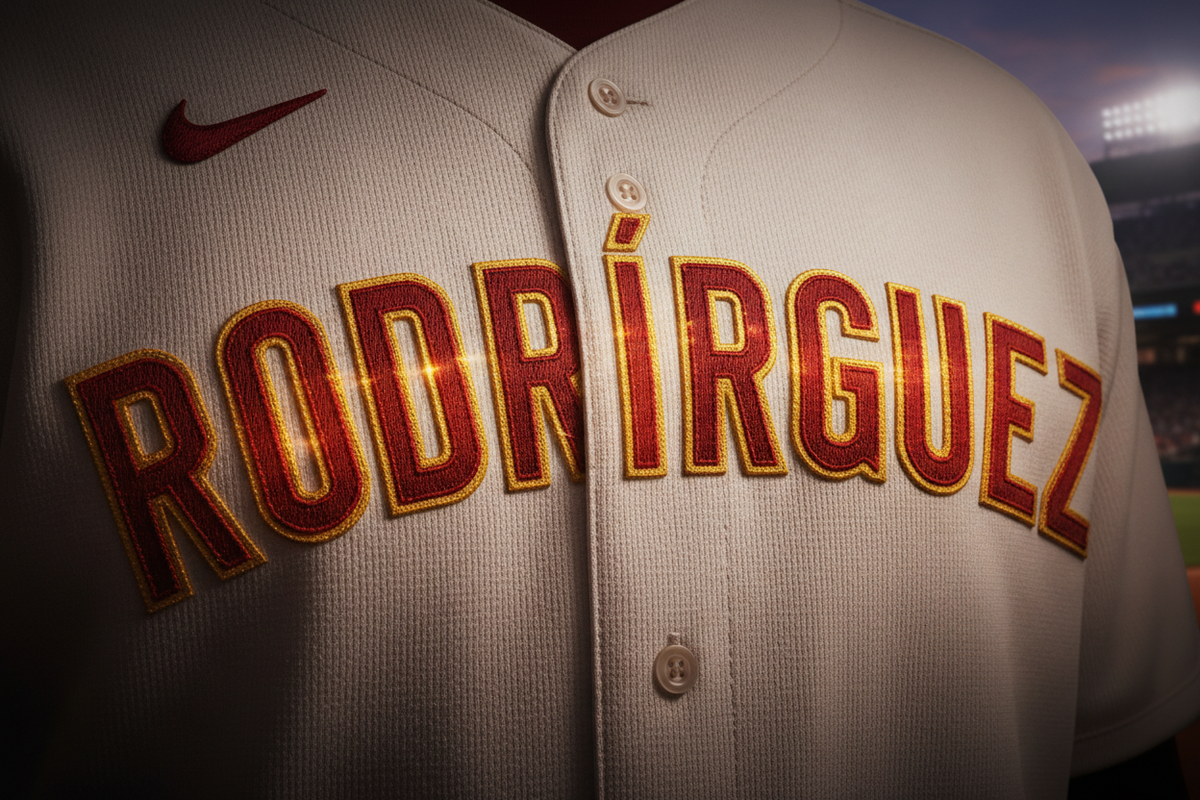
Start with the small detail: MLB's campaign for Hispanic Heritage Month is called Ponle Acento — "put an accent on it." It's exactly what it sounds like. For years, plenty of nameplates on Hispanic and Latino players' jerseys were missing the accent marks their names actually carry. Ponle Acento puts them back. It's a small correction that matters more than its size suggests, because a name is one of the most basic things a jersey is supposed to get right, and for a long time, a lot of them didn't.
That's the surface-level version, and it's worth knowing. But it's not actually the deepest part of what baseball does for this month.
The teams that become someone else entirely
Here's the part that doesn't get talked about nearly enough: roughly 90 Minor League Baseball teams don't just run a themed night for Hispanic Heritage Month. They become a different team. Different name. Different logo. Different cap. It's called Copa de la Diversión — the Fun Cup — and it's been running for years now, not as a one-off gimmick but as a genuine, recurring program built around specific Hispanic and Latino communities.
This isn't a patch stitched onto an existing identity. A team might play a full slate of games under a completely reimagined name and mark, built with input from the actual Hispanic and Latino community it represents, then go right back to its usual identity when the games are over. The whole point is that the alternate identity has to mean something specific to that city's community, not just gesture at "Hispanic heritage" in the abstract.
That's a genuinely different level of commitment than most sports leagues bring to a heritage-month campaign, and it produces something hat culture doesn't see very often: caps that exist for a real cultural reason, built with real community input, that are also, separately, just good-looking, well-designed pieces. The two things aren't in tension here. A Copa de la Diversión cap can be culturally specific and still be something a collector genuinely wants on a shelf or in a rotation, which is a harder needle to thread than it sounds.
Why this is worth paying attention to, specifically as a hat person
Most limited-run caps exist for one of two reasons: a special event (a championship, an anniversary, an All-Star Game) or a collaboration (a designer, a brand, a genre-blend). Copa de la Diversión caps are a third category that doesn't get discussed as often — caps that exist because a team wanted to genuinely represent a community it plays in front of every night, and did the work of getting the details right rather than defaulting to a generic gesture.
If you collect for the story behind a cap as much as the look of it, this is a program worth actually digging into rather than skimming past. Ninety teams means ninety different versions of "what does this specific community's identity actually look like on a cap," which is a much more interesting design problem than it initially sounds like, and a much richer one than most people give it credit for.
What to actually do with this information
If a Copa de la Diversión cap from your own team, or a team whose city means something to you, catches your eye this month, it's the kind of piece worth treating like it matters — because it was built to. If it's about to become a real part of your rotation rather than a shelf piece, that's exactly the moment a Hat Strip in the sweatband earns its keep: a cap built around a specific story deserves to actually hold up through the wear it's going to get.
Hispanic Heritage Month runs through October 15, so there's a full month of this ahead, not just today. Worth spending some of it actually looking at what your own team, or a team you're curious about, did with theirs.